Common AC Problems in Pembroke Pines Homes and How to Diagnose Them
Published: 2026-07-05 · By AirAidExperts AC Repair
Pembroke Pines homeowners know that the sun shines bright, but with the tropical storms and humidity, keeping your air conditioning unit in top condition is essential. Imagine returning home after a long day only to find your living room feels more like a sauna than a sanctuary. This scenario may be more common than you'd like to admit, especially during the peak of summer. But identifying and diagnosing air conditioning issues early can ensure your home remains a comfortable retreat, regardless of the weather outside.
Why This Matters for Pembroke Pines Homeowners
The climate in Pembroke Pines presents unique challenges for air conditioning systems. High humidity levels can lead to excessive moisture buildup, creating conditions that favor mold growth inside the system. This moisture also accelerates corrosion of metal fixtures, which is a real concern given the salt air prevalent here. If your system is not running efficiently, it might not cool your home adequately, leading to increased energy bills and discomfort.
Moreover, tropical storms and hurricanes can cause physical damage to AC units, leaving them exposed to debris and sudden power outages. A minor issue today could escalate into a major malfunction tomorrow, making it crucial to understand potential problems before they worsen.
Understanding these factors matters for homeowners; maintaining your unit can prolong its lifespan and enhance performance, especially in a climate prone to harsh weather conditions.
Expert Solutions & Actionable Tips
1. Check the Air Filter Regularly
Clogged air filters can restrict airflow, causing your AC to work harder and less efficiently. In Pembroke Pines, it's advisable to check your filter every month, especially during high-use seasons. Replacing it can cost between $15-$50, depending on the type.
Frequent replacement not only improves air quality but also reduces strain on your system, ultimately saving you money on utility bills.
2. Inspect Outdoor Units for Debris
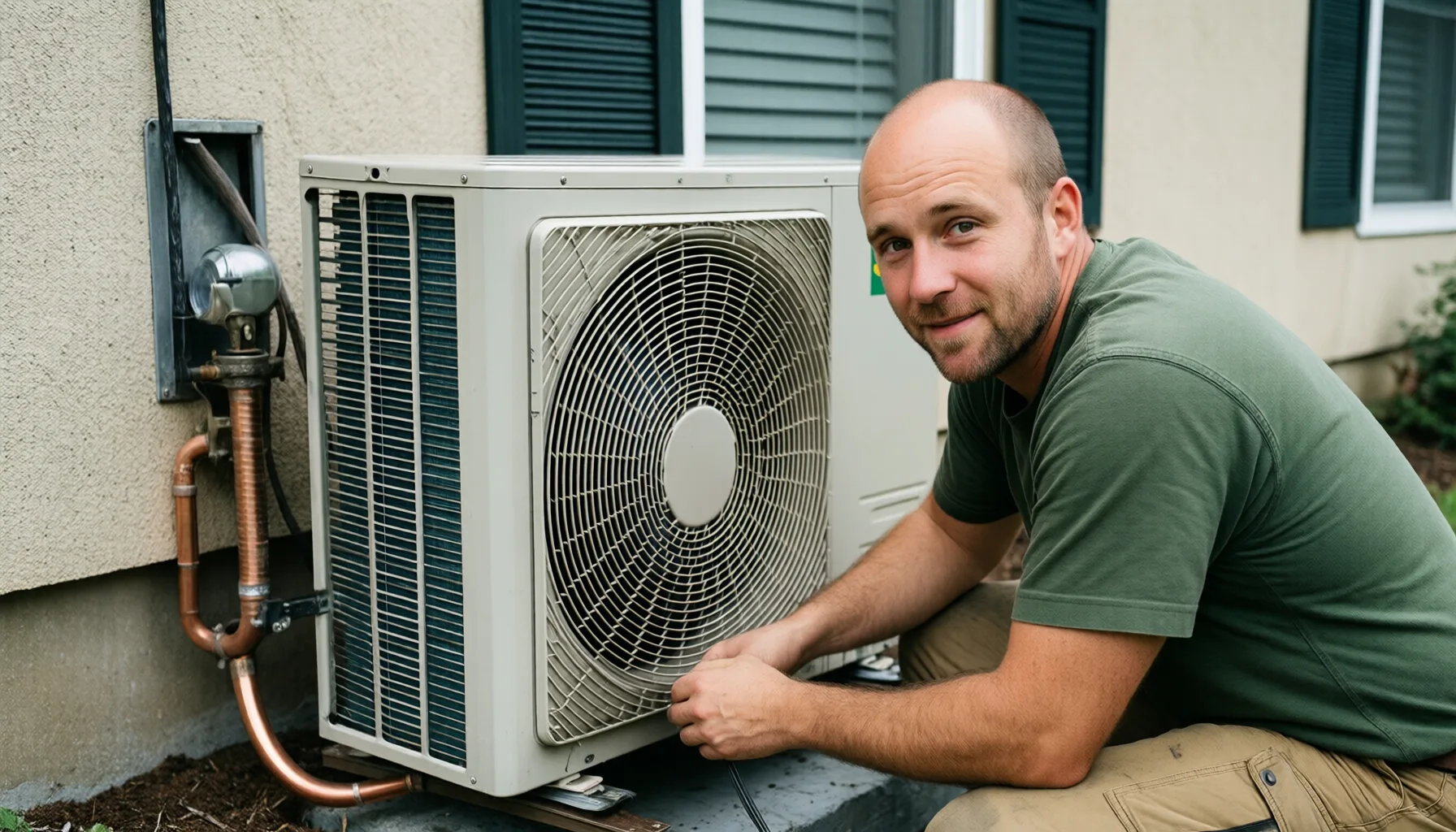
With tropical storms, fallen leaves and debris can damage your outdoor AC units. Take the time to clear at least 2 feet of space around your unit, preventing air blockage. This upkeep only takes about 15 minutes but can save you from costly repairs down the line.
Maintaining visibility around your unit can also help identify any rust or corrosion that could necessitate repair sooner rather than later.
3. Monitor for Unusual Noises
Listen for strange sounds like banging or squealing; these could be warning signs of mechanical issues. If you hear these noises, don’t ignore them. Costs for repairs vary greatly, but addressing a loose component early could prevent more significant expenses later on.
If the sounds persist, consider contacting a professional to assess whether internal parts require tightening or replacement.
4. Understand Refrigerant Levels
Improper refrigerant levels can lead to insufficient cooling. A simple measure is to check the temperature difference between your indoor and outdoor units. If the variance is less than 15 degrees, you might need a top-up. Check with local companies, where costs can range from $100-$300 for this service.
Experts can gauge whether leaks are present, which could also lead to larger fixes if not addressed.
5. Seal Ducts and Vents
In humid environments, leaky ducts can cause significant energy loss. Ensuring that your ductwork is well-sealed can improve efficiency. Sealing ducts might cost anywhere from $300 to $800, but can lead to a noticeable improvement in your energy bills.
If you haven’t done this in years, it might be time for an inspection that ensures you’re getting the efficient cooling you’re paying for.
6. Schedule Annual Maintenance
Investing in annual maintenance checks can cost between $75-$150 but pays off by ensuring your AC runs smoothly, particularly after storm damage. A technician can identify potential issues before they lead to costly repairs.
Regular tuning can extend the useful life of your unit and optimize its efficiency during peak usage seasons.
Pembroke Pines Climate & Local Context
Pembroke Pines is no stranger to humidity and storms, both of which take a toll on air conditioning units. Due to this tropical climate, homeowners need to ensure their systems can withstand tough conditions. Elevated homes often mean less direct exposure to flooding, which is beneficial, but moisture barriers are critical to guard against rising dampness.
Our local building codes often emphasize the importance of durable materials and proper installation, especially for coastal homes. Neglecting the specifics can lead to long-term damage and malfunctioning units that are costly to repair. Understanding these nuances will help homeowners maintain their air conditioning units more effectively.
When to Call a Professional
While some minor maintenance tasks can be tackled by homeowners, knowing when to call a professional can save headaches in the long run. DIY fixes can lead to further problems if not completed correctly. If you're unsure about any troubleshooting steps, this is when you should contact someone skilled in AC repair.
- Burning smells or smoke from the unit
- Leaking refrigerant
- Persistent unusual noises
- AC unit cycling on and off rapidly
- Constantly elevated energy bills
- Unit is over 10 years old and malfunctioning
- Visible rust or corrosion
- Unbearable humidity in the home despite cooling
Each of these red flags can indicate serious problems that should not be ignored, and contacting professionals like AirAidExperts AC Repair can be the most effective solution
Frequently Asked Questions
What are common signs my AC needs repair?
Look for any unusual sounds, poor airflow, and increased energy costs. If your home feels humid or the unit doesn't cool effectively, it might be time for a check-up.
How often should I replace my air filter?
Filters should be checked monthly and replaced as necessary, especially during heavy use in humid months. Some filters may only need replacement every 3 months.
Is annual maintenance really necessary?
Yes, annual maintenance checks can prevent significant breakdowns and provide insights into your unit’s efficiency, ensuring it lasts longer without major issues.
Can I clean my AC unit myself?
While basic cleaning like clearing debris around outdoor units is fine, more involved cleaning or repairs should be handled by professionals to avoid damage.
What should I do if my AC stops working during a storm?
First, check for power outages. If the unit sustained physical damage, avoid using it until a professional assesses it, especially if there are unusual sounds or smells.
Get Expert Air Conditioning Repair Service in Pembroke Pines
If you're experiencing any issues with your air conditioning unit, don’t hesitate to call the experts at AirAidExperts AC Repair. Our team is here to help ensure your home stays cool, comfortable, and stress-free.
Contact us today at (954) 448-7255 to schedule a service in Pembroke Pines. Your comfort is our priority!